


Cultivating Tomorrow, Instituto Politécnico Internacional
2026, November 05
What if learning to cook also meant learning where food comes from and how to use it responsibly?
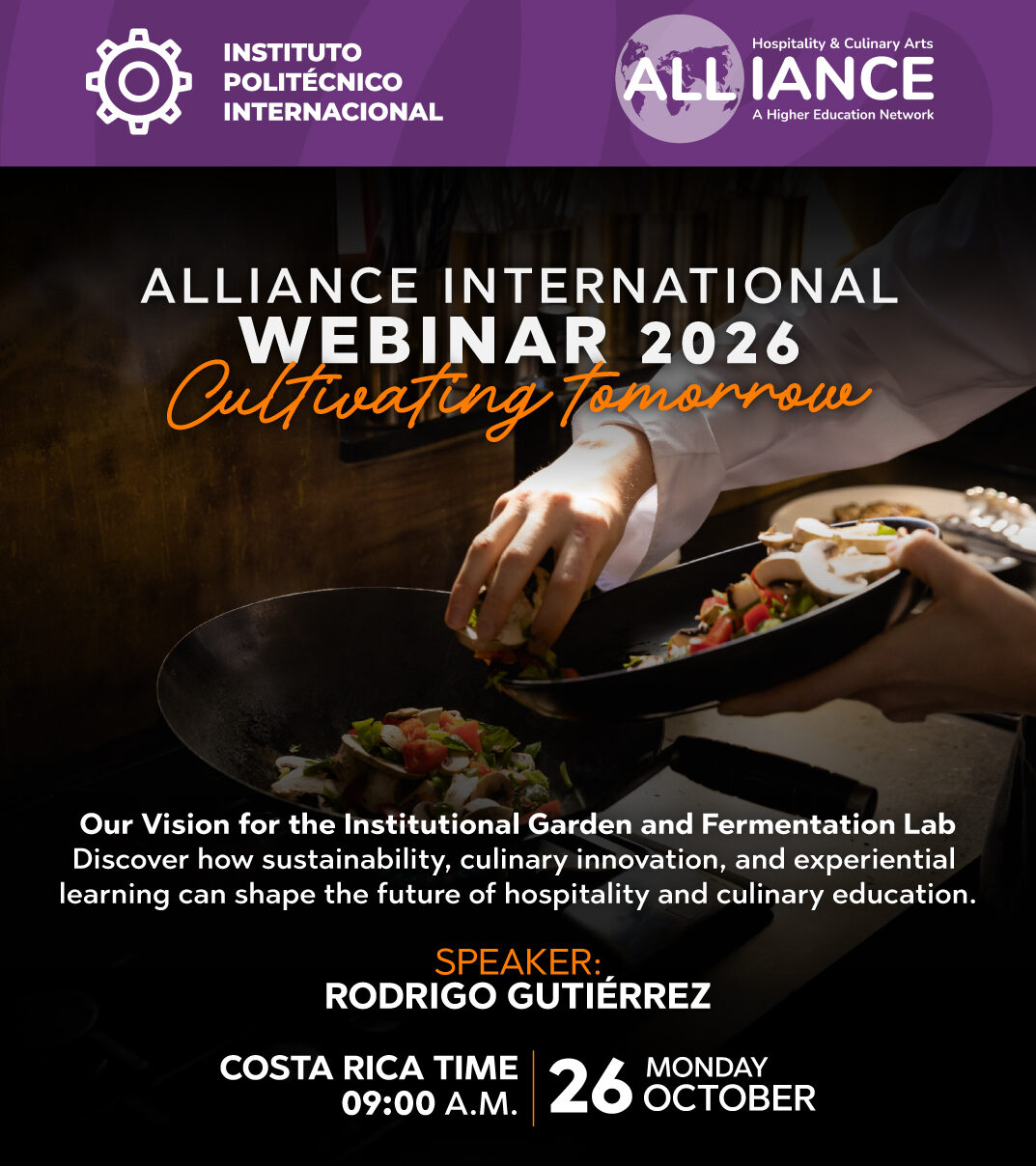
On 26 October 2026, the ALLiance Network welcomed Rodrigo Gutiérrez González, Executive Chef at Instituto Politécnico Internacional in Costa Rica, for the webinar Cultivating Tomorrow: Our Vision for the Institutional Garden and Fermentation Lab.
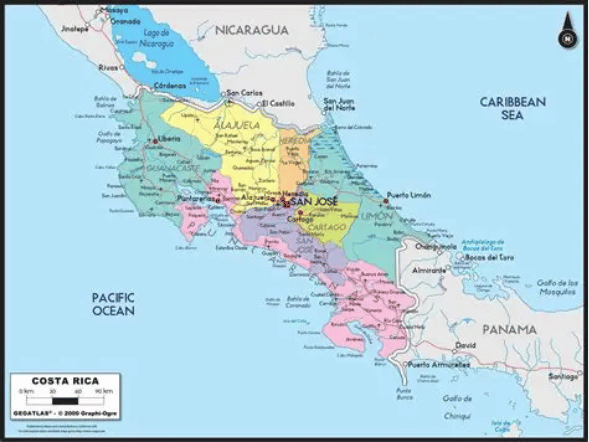
Costa Rica – Map
The session explored how biodiversity, sustainability, science and experiential learning can help shape the future of culinary education.
From ingredient to understanding
Costa Rica’s exceptional biodiversity and variety of local products provide an ideal setting for students to reconnect with the origins of food.
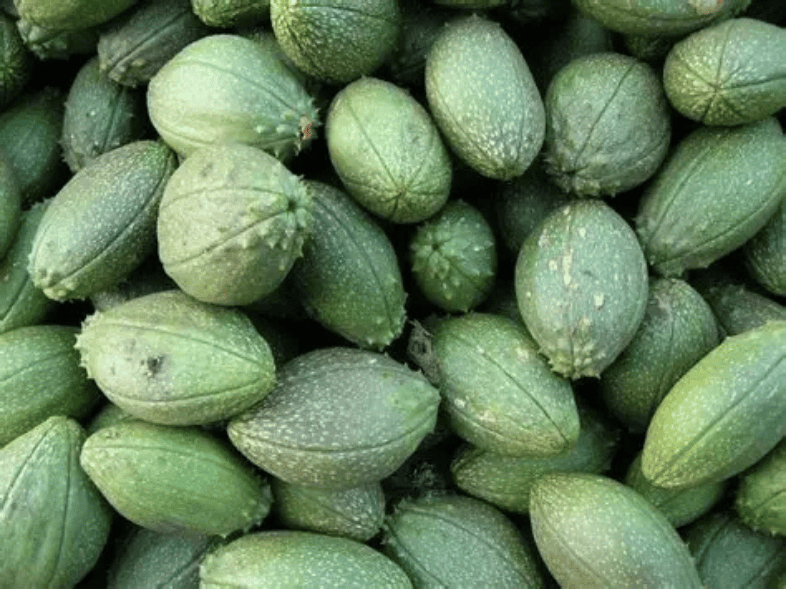
Tacaco
Rodrigo highlighted the example of tacaco, a traditional Costa Rican vegetable that illustrates how local ingredients can become both a source of culinary creativity and a way to preserve and communicate cultural identity.
The aim is to encourage students to look beyond the finished ingredient and understand its origin, lifecycle and the resources required to produce it.
Two learning laboratories
This vision is being developed through two complementary initiatives.
The Gastronomic Garden gives students first-hand experience of growing and harvesting ingredients. By engaging directly with agriculture and biodiversity, they gain a better understanding of the time, work and knowledge behind the products they use in the kitchen.
The Fermentation Lab focuses on microbiology, preservation and food transformation. Students can experiment with ingredients, flavours and textures while exploring new ways of using products and potential food by-products.
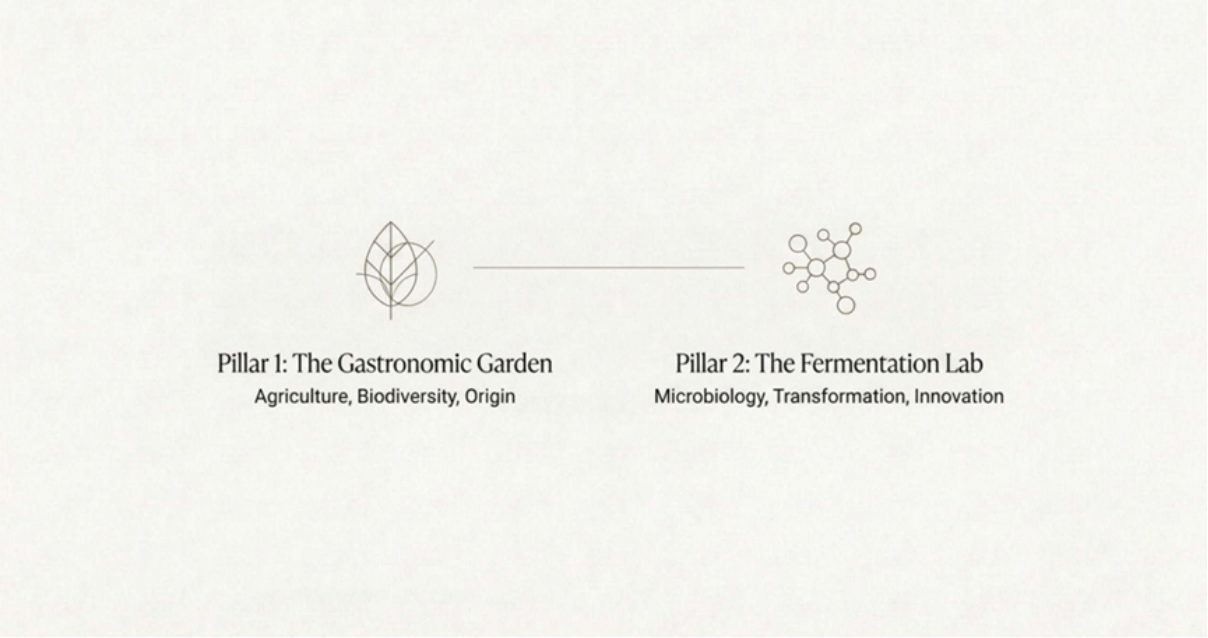
Together, the two projects allow students to follow food from cultivation to transformation.
They also encourage a more critical approach to sustainability. Reusing a by-product, for example, is not automatically sustainable if transforming it requires excessive energy, water or processing. Students are therefore encouraged to consider the complete environmental impact of their culinary choices.
The Artisan, the Scientist and the Botanist
For Instituto Politécnico Internacional, the future chef should combine three complementary mindsets:
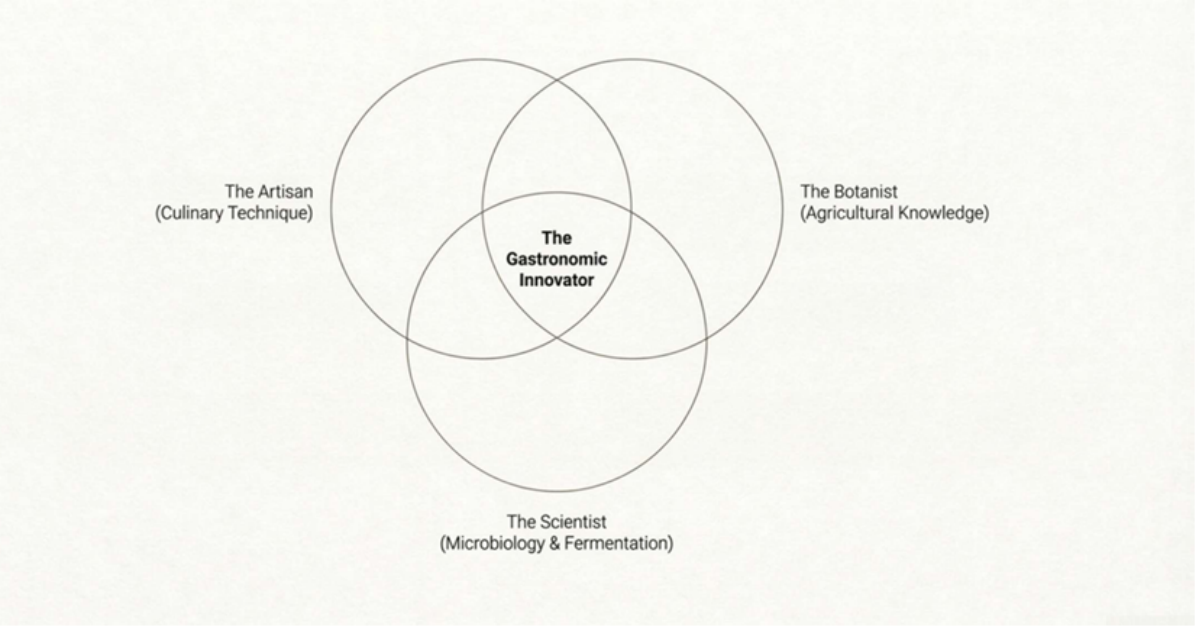
The artisan, who masters culinary techniques and craftsmanship.
The scientist, who understands microbiology and food transformation.
The botanist, who understands plants, biodiversity and the origin of ingredients.
Bringing these perspectives together helps students move beyond simply reproducing techniques.
As one of the ideas shared during the webinar highlighted, copying is not necessarily the problem; copying without understanding what you are copying is.
Knowledge becomes a tool for creativity.
When the plate becomes a communicator
One of the strongest messages of the webinar was that a dish should do more than taste and smell good.
A plate can also tell the story of an ingredient, communicate a culture, transmit emotion and contribute to a healthy and accessible approach to food.
Understanding a product in depth, from its origin and sensory characteristics to its lifecycle and transformation, gives chefs more possibilities to create responsibly and meaningfully.
Through its Gastronomic Garden and Fermentation Lab, Instituto Politécnico Internacional is developing an approach to culinary education that brings together biodiversity, science, creativity and sustainability.
The webinar also provided an opportunity for ALLiance members to exchange ideas and explore how institutions across the Network can continue sharing experiences and good practices around sustainable gastronomy.
Ultimately, Cultivating Tomorrow reminds us that sustainable culinary education begins with understanding our ingredients, respecting their origins and giving future chefs the tools to make more conscious choices.
Watch the Full Webinar Recording
Frequently Asked Questions
What is sustainable culinary education?
It combines culinary techniques with knowledge of ingredient origins, food production, biodiversity, transformation as well as the environmental and cultural responsibilities associated with food.
What is a gastronomic garden?
It is an educational growing space where culinary students can learn directly about agriculture, plants and ingredient production before those products reach the kitchen.
Why is fermentation relevant to culinary education?
Fermentation connects culinary tradition, microbiology and innovation while allowing students to explore preservation, new flavours and alternative uses for ingredients.
What is the ALLiance Network?
The ALLiance Network is an international network created by Institut Lyfe that brings together higher education institutions specialised in Hospitality and Culinary Arts to develop international collaborations and opportunities for students and faculty.